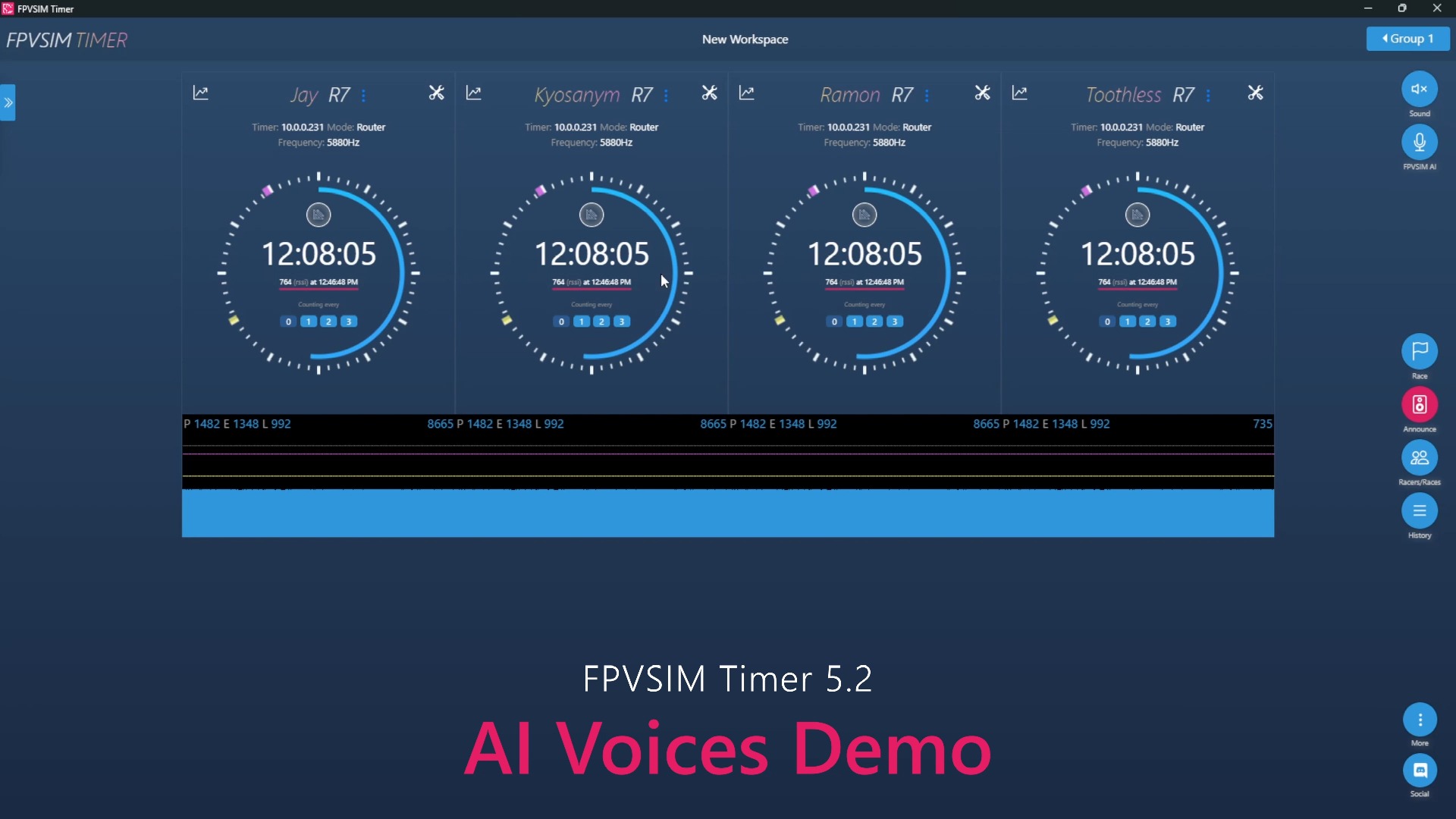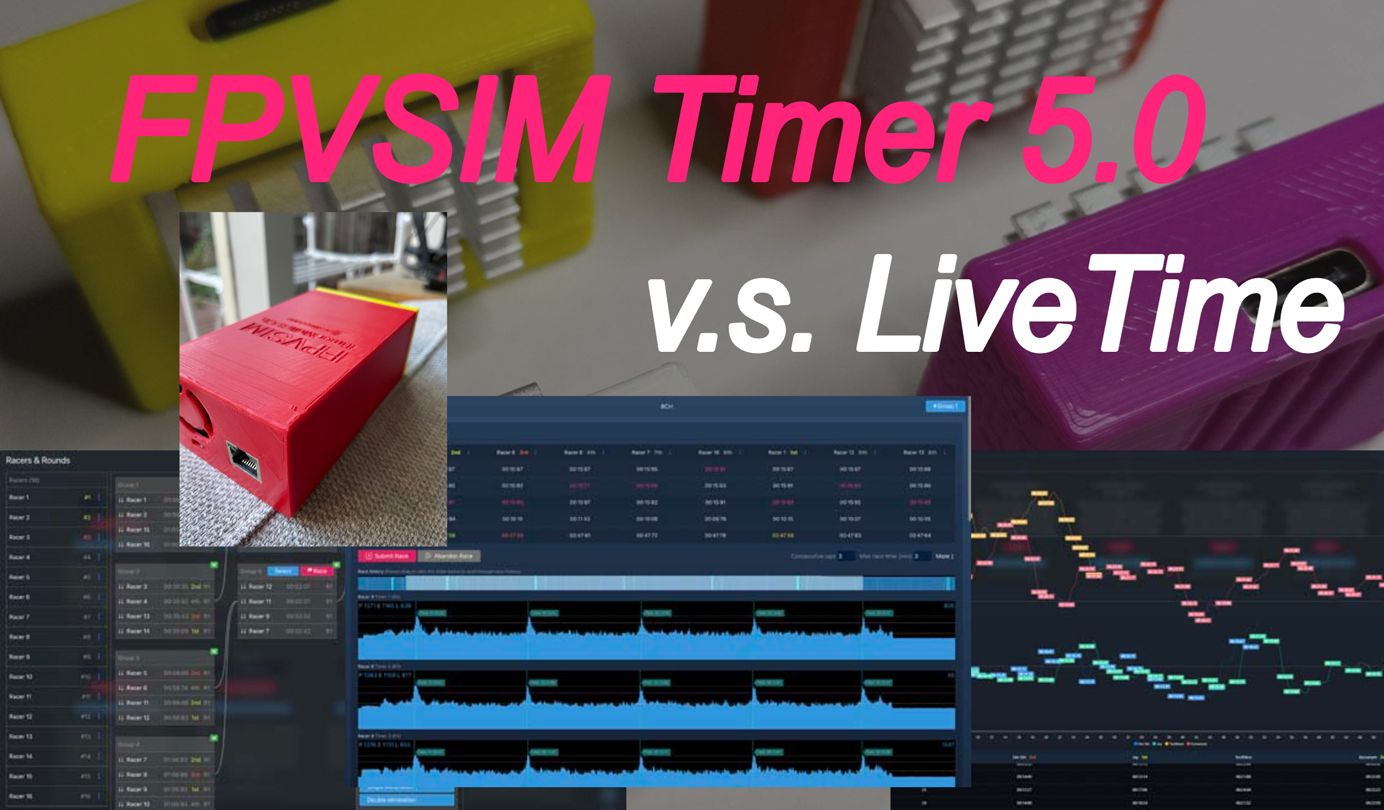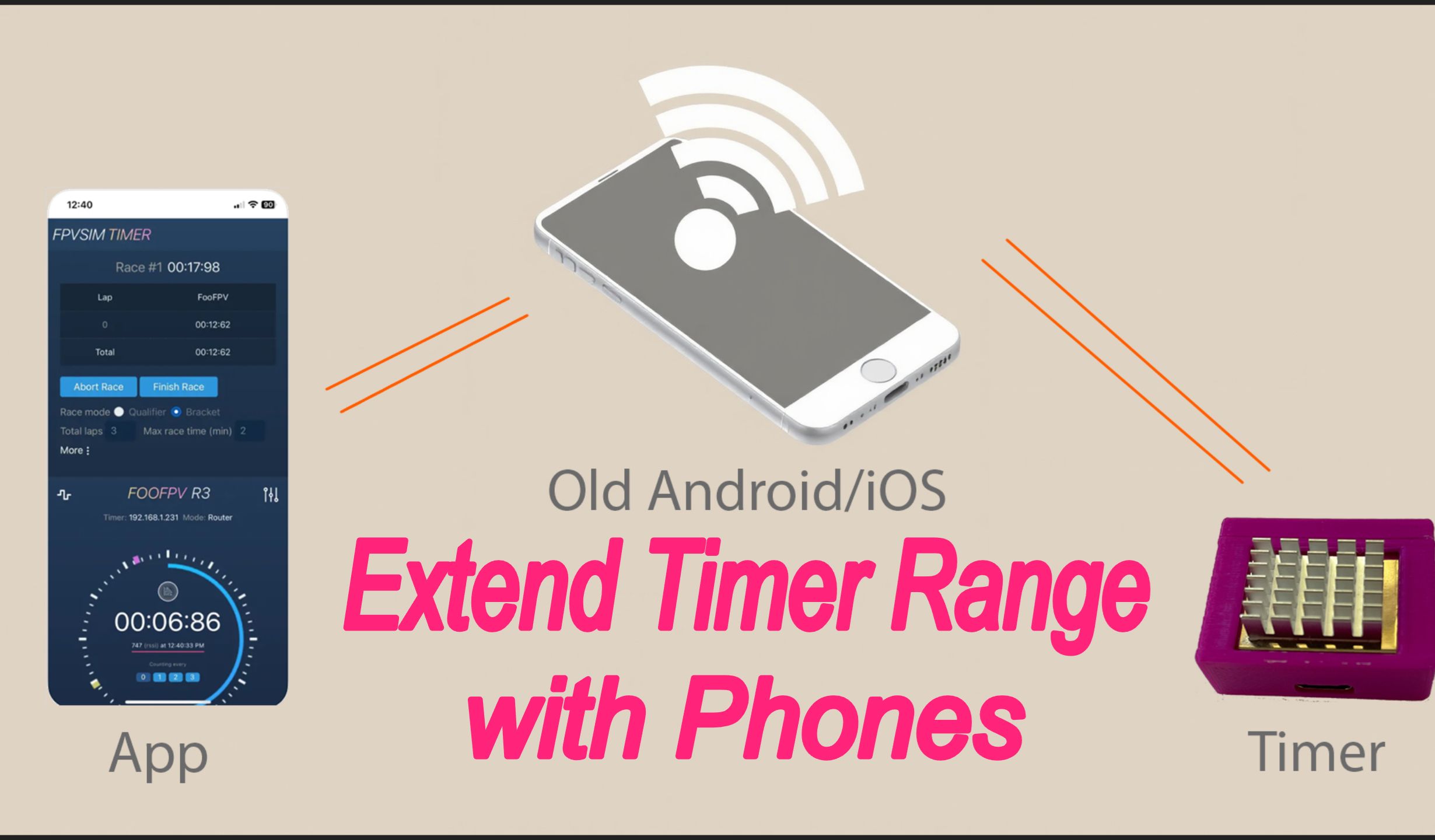
This is the update instructions page for QuadRank Timer Firmware 2.1. The official introduction clearly gives two conclusions: the new firmware enhances short track support and significantly reduces false alarms in short track timing; at the same time, it is compatible with the previous version of the App, so this update does not require a simultaneous App upgrade. The video does not have a credible tutorial narration, and the article does not fill in the flashing steps that are not shown, but explains the purpose of the update, version boundaries, and how to use controlled testing to verify the timing results after the upgrade.
The main problem addressed by version 2.1
On short courses, successive passes occur closer together, so the timer has less time to distinguish a new valid pass from a duplicate detection. The official description summarizes the focus of 2.1 as better support for short courses and fewer false detections. It does not disclose specific filtering algorithms or threshold changes, so do not infer the internal implementation from the short video.
“Fewer false detections” does not guarantee that every venue will be free of problems. Receiver modules, antenna positions, transmitter power, course spacing, and the electromagnetic environment still affect detection. Confirm the value of the update by comparing before and after results at the same venue, with the same equipment and similar flight lines.
App compatibility and the scope of the update
The description explicitly states that firmware 2.1 is compatible with the previous app version, so users do not need to replace the app solely for this firmware update. The change is therefore concentrated on the timer hardware. Before proceeding, still record the current app version, timer firmware version, and key settings to support troubleshooting and rollback.
“No app update required” was the compatibility statement for that release. It does not mean that all future app and firmware versions can be mixed freely. If you already use a later version, consult its release notes. For multiplayer or multi-node systems, also ensure that timers which need to behave consistently use a verified combination of versions.
Start flashing only with official files
The video description links to DIY Instructions and the v2.1 / ESP32 firmware directory on GitHub. First verify that your timer hardware actually matches that ESP32 architecture and wiring, then follow the instructions in that directory. This article does not infer ports, flashing tools, button sequences, or partition parameters from footage without narration.
Before updating, save the sources for the current firmware and configuration, use a stable USB connection and power supply, and have a recoverable previous version ready. If the hardware model, downloaded file, or flashing target does not match, stop rather than trying several images. After flashing, first confirm that the device boots and the app connects, then validate timing.
Retest false detections on a short course
In a controlled environment, create a test with short intervals between passes while making every pass manually verifiable. Keep the antennas, timer positions, transmitting equipment, and venue unchanged. Run several rounds and compare manual records with valid laps, duplicate laps, missed laps, and abnormal times in the app.
If 2.1 still produces false detections, do not simply adjust an unfamiliar threshold. First record when the event occurred, the node, the signal environment, and the intervals between adjacent passes, then separately investigate hardware placement, interference, power supply, and version consistency. Reproducible data demonstrates an improvement more convincingly than a single run that “looks normal.”
Operation steps
- Record the existing versions and configuration
Save the app version, current firmware, node count, and key venue settings as the pre-update baseline.
- Verify the hardware and official v2.1 files
Confirm that the timer uses the matching ESP32 hardware, and obtain firmware and instructions only from the official directory linked in the description.
- Update the firmware according to the official instructions
Use a stable connection and power supply. This article does not add port, button, or flashing parameters that the video did not provide.
- Confirm that the previous app version connects
After the firmware boots, verify the app connection, node recognition, and basic timing functions before setting up the course.
- Compare before and after results on a controlled short course
Keep the hardware and environment consistent, and count valid laps, duplicate detections, missed laps, and abnormal lap times to determine whether false detections have decreased.
FAQ
Must I update the app after installing firmware 2.1?
The official description says it is compatible with the previous app version, so this release does not require a simultaneous app update. Check the relevant notes for later version combinations.
What does 2.1 mainly improve?
The official description states that it improves short-course support and significantly reduces false timing detections on short courses. The video does not disclose the specific algorithm.
Does this video include a complete flashing tutorial?
It does not contain reliable instructional narration. Follow the DIY documentation and official firmware directory linked in the description, rather than using this article to guess ports or parameters.
How can I tell whether the update actually reduces false detections?
Repeat tests with closely spaced passes using the same hardware, antenna positions, and venue, then compare each manual record with the lap times in the app.
Can every ESP32 timer use this firmware file directly?
Do not assume so. Verify the specific hardware, pin assignments, and official target. Stop if they do not match.
Transcript description
There is no timeline transcript available for publication for this video.
The video does not have a postable tutorial narration; it was automatically recognized as background music or audio unrelated to the tutorial, so it was not displayed as a transcript.